A performance bond guarantee sits quietly behind many of the projects and service contracts that keep a city or company running. Highways open on time, data centers go live, and solar farms connect to the grid, not just because contractors do good work, but because owners insist on a financial backstop. That backstop is often a performance bond. When it is structured well, everyone sleeps better: the owner knows the job will get finished or they will be compensated, the contractor knows the project can proceed without tying up all their cash, and the surety knows the risk has been measured and priced. When it is not structured well, disputes, delays, and blown budgets follow.
I have negotiated and administered dozens of bonded contracts. The biggest value of a performance bond is not the paper itself, but the discipline the bonding process forces on all parties. It pressures bidders to prove capability, flushes out weak underwriting, and clarifies what “finished” actually means in the contract. Let’s break down how a performance bond works, who is on the hook for what, where people get tripped up, and how to use the instrument intelligently rather than mechanically.
The core idea: a three-party promise
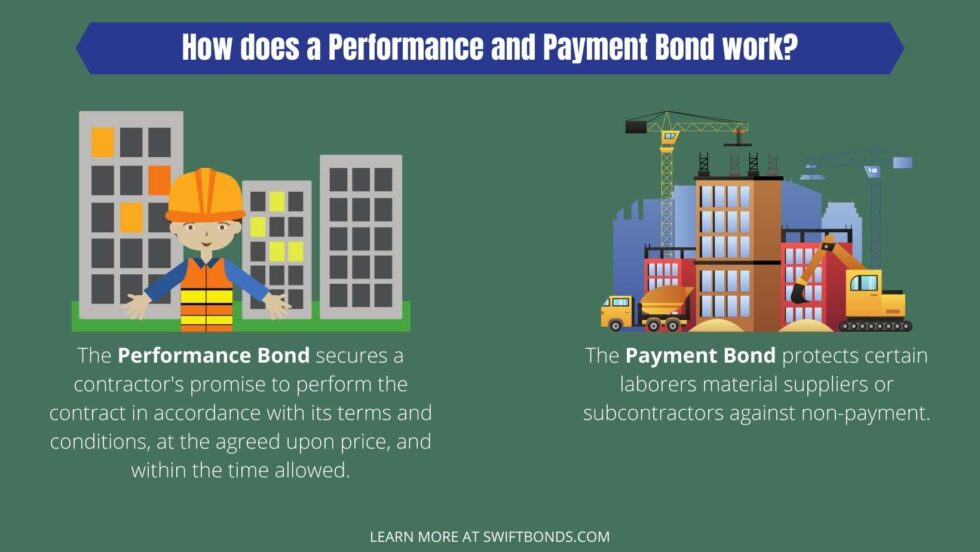
A performance bond is a three-party agreement that guarantees the performance of a contract. The parties are the owner (obligee), the contractor (principal), and the surety company that issues the bond. If the contractor fails to perform in accordance with the contract, the surety steps in up to the bond amount. That step-in might be money, management, or bringing in a replacement contractor, depending on the bond terms and the situation on the ground.
The mechanics rely on a few fundamentals:
- The performance bond is not insurance in the way most people think of insurance. The surety expects to be repaid by the contractor or its indemnitors for any losses. That indemnity is personal and corporate. The surety’s duty is to the obligee under the bond, but the surety is not a piggy bank. It has defenses and rights, triggered by proper default declarations and the underlying contract language. The bond amount is usually a percentage of the contract price, commonly 100 percent in public works and 10 to 50 percent in private deals. The bond amount caps the surety’s liability.
Owners use a performance bond to transfer the risk of nonperformance to a creditworthy third party. Contractors use it to prove they can deliver and to unlock work they could not win otherwise. The surety sits in the middle, underwriting the principal’s capacity and standing ready to remedy a default if it occurs.
What a performance bond actually guarantees
A well drafted performance bond mirrors the project’s contract. It guarantees performance according to that contract’s scope, schedule, quality requirements, and completion standards. If the contractor abandons the job, fails to meet specs after a cure period, or cannot finish due to insolvency, the surety’s obligation is to get the project to completion or to pay for the owner’s extra costs up to the bond limit.
The guarantee typically excludes obligations the contract does not clearly define. Vague “best efforts” clauses, shifting-scope expectations, and undocumented owner-directed changes make bonds harder to enforce. The bond does not guarantee the contractor’s profit, and it does not typically cover consequential damages like lost revenue unless the bond form explicitly says so, which is rare. Most performance bonds do not cover latent defects discovered years later. That is what warranties and maintenance bonds are for, though some forms include a short maintenance period.
Hold on to this point: the bond follows the contract. If the contract is sloppy, the bond’s protection will be limited. If the contract is clear, a performance bond becomes a powerful tool.
How underwriting works beneath the surface
Before a surety issues a performance bond, it underwrites the contractor. If you are the owner, that process is your first line of defense. If you are the contractor, that process is your reputation report card.
Underwriters examine the “three Cs” that govern surety credit.
- Character: the contractor’s track record of finishing jobs, handling disputes, and being transparent about bad news. Sureties talk to project owners, architects, and subs. Quiet professionalism gets rewarded. Capacity: the people, equipment, and systems to execute the specific job. Schedule compression, concurrent projects, and specialist scope increase scrutiny. I have seen bonds declined simply because the superintendent roster was already overextended. Capital: the financial strength to absorb hits. Underwriters comb through working capital, debt ratios, bank lines, and cash flow forecasts. Tax returns, CPA-reviewed or audited statements, and job schedules underlie decisions.
For a mid-size general contractor chasing a 25 million dollar bonded job, a surety may want at least 2 to 3 million dollars in working capital, strong evidence of similar completed projects, and a clean claims history. If the contractor is light Swiftbonds on capital but strong in capacity, the surety might still proceed with collateral or a lower aggregate bonding limit.
Most sureties require a general indemnity agreement. That document gives the surety the right to reimbursement from the company owners and sometimes their spouses or affiliated entities, if the surety pays a claim. Many contractors gloss over the reach of those agreements. They matter more than the premium in the long run.
The difference between performance bonds and other construction guarantees
Owners often procure performance bonds alongside bid bonds and payment bonds. Each serves a separate purpose. The bid bond prevents frivolous low bids by guaranteeing that the bidder will enter a contract and furnish the required bonds if awarded the work. The payment bond protects subcontractors and suppliers by guaranteeing they will be paid, reducing lien risk for the owner. The performance bond is about finishing the work per the contract. You sometimes see all three bundled in a single surety package for public projects.
On the private side, especially in commercial interiors or industrial maintenance, owners may accept alternative risk tools. Parent company guarantees, letters of credit, or escrow holdbacks can substitute for a performance bond. Those tools have different failure modes. A parent guarantee depends on the parent being solvent and willing to step in. A letter of credit is clean and bank-backed, but it ties up the contractor’s credit line and sometimes strains relationships. Escrow retainage is simple but may be insufficient if a contractor collapses midstream. When I advise owners, I ask what risks truly scare them: nonperformance, liquidity gaps, lien exposure, or long-term defects. The answer drives the instrument, not habit.
What triggers the surety’s obligation
Triggering a performance bond is not as simple as pointing to a busted schedule and demanding a check. The obligee must usually satisfy three conditions: declare the contractor in default under the contract, terminate or formally place the contractor on notice to cure, and then make a claim on the bond View website according to the bond form’s procedures.
Timing and documentation matter. If an owner has repeatedly waived deadlines and approved undocumented changes, a sudden default declaration can be challenged. If the owner starves the contractor of timely payments or access to the site, the surety will raise defenses. On the flip side, contractors sometimes treat defect notices as noise until the file is too thick to ignore. When default is on the table, neatness counts. I have seen messy records cost months and millions.
Once a valid claim is made, the surety typically has options:
- Finance the existing contractor to finish, with more oversight. Tender a replacement contractor to the owner for acceptance. Take over and complete the work under its own management. Pay the owner for the reasonable cost to complete and remedy, up to the bond limit.
The choice turns on cost, delay, legal posture, and the specific personalities involved. In many defaults, the fastest path is to keep the original team moving with added money and guardrails. Replacing a contractor mid-project is often the last resort because mobilizing a new crew can burn months and trigger scope disputes.
The claim process, step by step
For owners and their representatives, it helps to think in sequences rather than emotions. Projects are stressful. Good process keeps power balanced.
- Diagnose performance failure. Build a clear record of missed milestones, defective work, or abandonment. Tie each issue to the contract clause it violates. Issue a cure notice. Most contracts require a written notice and a reasonable cure period. Reasonable may be 48 hours on life safety work or several weeks on complex rework. State the risk of default and the bond information. Engage the surety early. Copy the surety on the cure notice. Offer a site meeting and access to records. The surety needs to understand the ground truth quickly, not after termination. If cure fails, declare default and make a formal bond claim. Follow the bond’s notice and documentation requirements. Provide a completion cost estimate and a proposed path. Cooperate during the investigation. Sureties verify the facts, evaluate the contractor’s ability to recover, and select a remedy. Your speed in providing documents can shave weeks off the downtime.
From the contractor’s side, the best move after a cure notice is disciplined triage: stabilize critical path activities, quantify what it takes to recover, communicate one credible plan, and stop arguing about everything at once. Owners and sureties respond to proof of control, not excuses.
How bond amounts and premiums are set
Bond amounts are usually expressed as a percentage of the contract price. Public owners often require 100 percent performance bonds. Private owners vary, often settling between 25 and 50 percent for lower-risk scopes or projects with strong parent backstops. On phased programs, each task order can carry its own bond.
Premiums are lower than many expect. For most contractors with established surety lines, annual rates cluster around 0.5 to 2 percent of the bonded contract value. A 10 million dollar job might cost 50,000 to 200,000 dollars in premium, often closer to the lower end for good credits. Premiums depend on job duration and risk complexity. Extremely long schedules, overseas jurisdictions, or novel technologies push rates up. Subcontract bonds sometimes run slightly higher because default risk can be harder to assess at the trade level.
One nuance trips up first-timers. The performance bond premium is typically earned at issuance and not refundable if the job wraps early. Sureties price to the exposure, not the exact number of months. Negotiate terms if your program involves short, repetitive tasks where exposure drops quickly.
The role of the contract: every word matters
Because a performance bond “follows the contract,” everything in your agreement with the contractor rolls into the guarantee. That includes the definition of substantial completion, testing and commissioning standards, change order processes, liquidated damages, force majeure, and dispute resolution procedures. If your contract lacks a certificate of completion process or ties final acceptance to subjective owner satisfaction, your bond claims will be more contentious.
Three clauses deserve extra care.
- Termination for default: spell out the required notices, cure periods, and the owner’s right to supplement or take over work before termination. If you skip steps, you risk voiding the bond. Liquidated damages: define daily rates grounded in real harm estimates, cap them logically, and align them with the bond amount. Unreasonable or punitive LDs invite fights. Changes and extra work: set a clear process for pricing and authorizing changes. Bonds often exclude unauthorized extras from coverage, which matters if field directives pile up without paperwork.
For technology-heavy projects, attach detailed acceptance test plans. For process facilities, pair performance guarantees with measurable output or efficiency criteria and a defined test window. Vague promises become litigation.
Common failure modes and how to avoid them
Most performance bond disputes I have seen grow from known seeds.
Owners sometimes select the lowest price with blind optimism, then rely on a bond to compensate for weak vetting. A bond is not a substitute for reference checks, schedule realism, and a hard look at the contractor’s current backlog. If you need a performance bond because your gut says the bidder is risky, that is your gut telling you to rethink the award.
Contractors sometimes accept overly broad indemnity obligations or job mixes that stretch superintendent bandwidth. When crews rotate too fast, quality dips and rework multiplies. Sureties watch that pattern closely. If you are a contractor growing, invest early in project controls and hiring pipelines. The cheapest dollar you will ever spend is the one you direct to your first excellent scheduler.
Both sides fail when they let change orders linger. A large percentage of defaults follow cash stress that starts with slow pay on extras. Agree on a standing biweekly change log, lock in a target turnaround time, and escalate unresolved items before they turn into job-wide resentment. A performance bond cannot fix a bad change culture.
Public versus private projects
Public projects usually mandate performance bonds for prime contracts above a threshold. In the United States, the federal Miller Act and state Little Miller Acts require performance and payment bonds on public works, typically at 100 percent of the contract value. The rules around notice, claims, and remedies are more standardized. Bond forms are often set by statute or agency. You do not negotiate much. Timelines can be rigid.
Private projects are freer. Owners can pick bond forms, percentages, or alternatives, and can negotiate bespoke remedies. Customization is an advantage, but it increases drafting risk. If you opt for a nonstandard bond form, involve counsel who regularly litigate surety claims, not just transactional lawyers. Practical enforceability matters more than elegant language.
In design-build or EPC contracts, performance bonds attach to a single point of responsibility, which owners favor. Subcontractor default insurance is another private tool that primes sometimes use as a layer beneath their own performance bond obligations. Its mechanics differ, but it can stabilize a complex trade stack.
International wrinkles
If your project crosses borders, performance bond practice changes. In some jurisdictions, on-demand bonds are common. These are closer to letters of credit, payable upon simple demand without proof of default. Contractors hate them for obvious reasons, and premiums and collateral requirements jump. Resisting on-demand terms can be a make-or-break negotiating point.
Currency risk, governing law, and enforceability of indemnity agreements complicate underwriting. Sureties may require collateral or reinsurance, or they may involve local affiliates who understand court systems and public policy constraints. Schedule more time for bond issuance. It is routine for a cross-border bond to take several extra weeks to finalize, even for experienced teams.
Real-world examples and lessons
A municipal wastewater project I advised carried a 100 percent performance bond on a 62 million dollar contract. The contractor hit an unexpected geotechnical condition that ballooned dewatering costs. Cash flow tightened, subs slowed, and quality slipped. The owner issued a cure notice two months after a missed milestone. The surety was invited to a site walk within days. Together we mapped a completion plan that included surety-backed financing for two months, weekly earned value reporting, and the replacement of a field QA lead. The job finished 74 days late, but liquidated damages covered the delay. No default was declared because the surety helped course-correct early. Lesson: involve the surety before a crisis.
Contrast that with a private data hall fit-out where the owner pushed an aggressive go-live date and approved dozens of field-directed changes verbally. When the contractor missed turnover, the owner declared default without a cure period and demanded the full bond. The surety looked at months of emails showing accepted schedule risks and undocumented extras. Litigation followed, the hall opened six months late under a different GC, and bond recovery covered only a fraction of costs due to weak documentation. Lesson: process discipline beats righteous anger.
On a positive note, a solar developer used a 30 percent performance bond plus a 10 percent retainage on a 14 million dollar EPC. The EPC contractor had a strong track record but was new to the geography. The bond created just enough security to comfort tax equity investors without overburdening the contractor’s capacity. Everyone understood the acceptance test plan and production thresholds. The project reached commercial operation with a minor punch list, and the bond stayed quietly in a drawer. Lesson: right-sizing bond percentages keeps capital efficient.
Practical guidance for owners
Treat the performance bond as a piece of a broader risk plan, not a talisman.
- Write a contract that defines completion, tests, and remedies with specificity, then use a bond form that ties directly to those terms. Prequalify bidders for capacity and capital, not just price. Ask for surety letters that outline aggregate bonding limits and single job limits. Manage change orders quickly. Fast, fair processing lowers default risk more than aggressive LDs. Keep records tight. Daily reports, meeting minutes, RFIs, and nonconformance logs make or break bond claims. Bring the surety in early when trouble brews. Cooperation speeds outcomes and often avoids formal default.
Practical guidance for contractors
View the performance bond as a reflection of your operational maturity.
- Build a long-term relationship with a surety and a broker who understand your market. Educate them on your backlog, people, and controls before you chase bigger work. Read the general indemnity agreement. Understand personal exposure and negotiate carve-outs where you can. Price schedule and geotechnical risks honestly. Savings on bid day evaporate during rework. Communicate early if you stumble. A surety willing to finance through a rough patch is worth more than one who only learns about the problem after a termination letter. Invest in project controls that show where you stand weekly, not at month end. Data wins arguments and unlocks support.
Beyond construction: performance bonds in services and supply
While construction dominates the conversation, performance bonds also appear in shipbuilding, large equipment supply, IT implementation, and facilities management. The same principles apply. The bond guarantees delivery or performance to a stated spec. In IT, that might mean a system passes user acceptance tests defined in a statement of work. In equipment supply, it might mean turbines achieve output and efficiency targets at a set ambient condition. The contract must define acceptance criteria precisely. Vague promises like “industry standard performance” are invitations to dispute.
For service contracts with rolling obligations, some owners blend performance bonds with holdbacks tied to milestones, or with service credits that ratchet up if targets are missed. Those tools can be more nimble than a rigid all-or-nothing bond call. Still, a performance bond can anchor the overall risk package, particularly where project failure would be catastrophic for the owner’s operations.
Costs and trade-offs worth weighing
No instrument is free. A performance bond costs premium, consumes surety capacity that could be used for other jobs, and can slow award if underwriting drags. On the upside, it reduces the owner’s risk of catastrophe and enforces a higher standard of contractor discipline.
There are edge cases. On small, fast-turn projects with commoditized scopes, the administrative overhead of a performance bond can dwarf the benefit. On highly bespoke projects where changes will be constant, a letter of credit combined with a robust change-management process might be cleaner. For seasoned repeat partners with strong balance sheets and transparent books, owners sometimes accept a parent guarantee or a step-in right in lieu of a bond. The right answer depends on the volatility of scope, the owner’s tolerance for delay, and the contractor’s credit.
The performance bond in a healthy project culture
Projects succeed when incentives align and information flows. A performance bond supports that by clarifying who stands behind the promise to perform. Used thoughtlessly, it generates paperwork and a false sense of security. Used wisely, it nudges teams toward better planning and fairer risk sharing.
If you are an owner, insist on a performance bond when failure would materially harm your operations, lenders, or stakeholders. Make the contract precise, keep the communication open, and escalate early. If you are a contractor, treat your surety like a partner in governance. Let them see your pipeline, your people, and your pain points before they become claims. The premium you pay is small compared to the value of that added discipline.
And if you are the one writing the RFP, remember this rule of thumb: a performance bond is only as good as the clarity of the performance you expect. Define that performance well, and the bond becomes more than a requirement. It becomes a quiet guarantee that your project will find its way to the finish line.